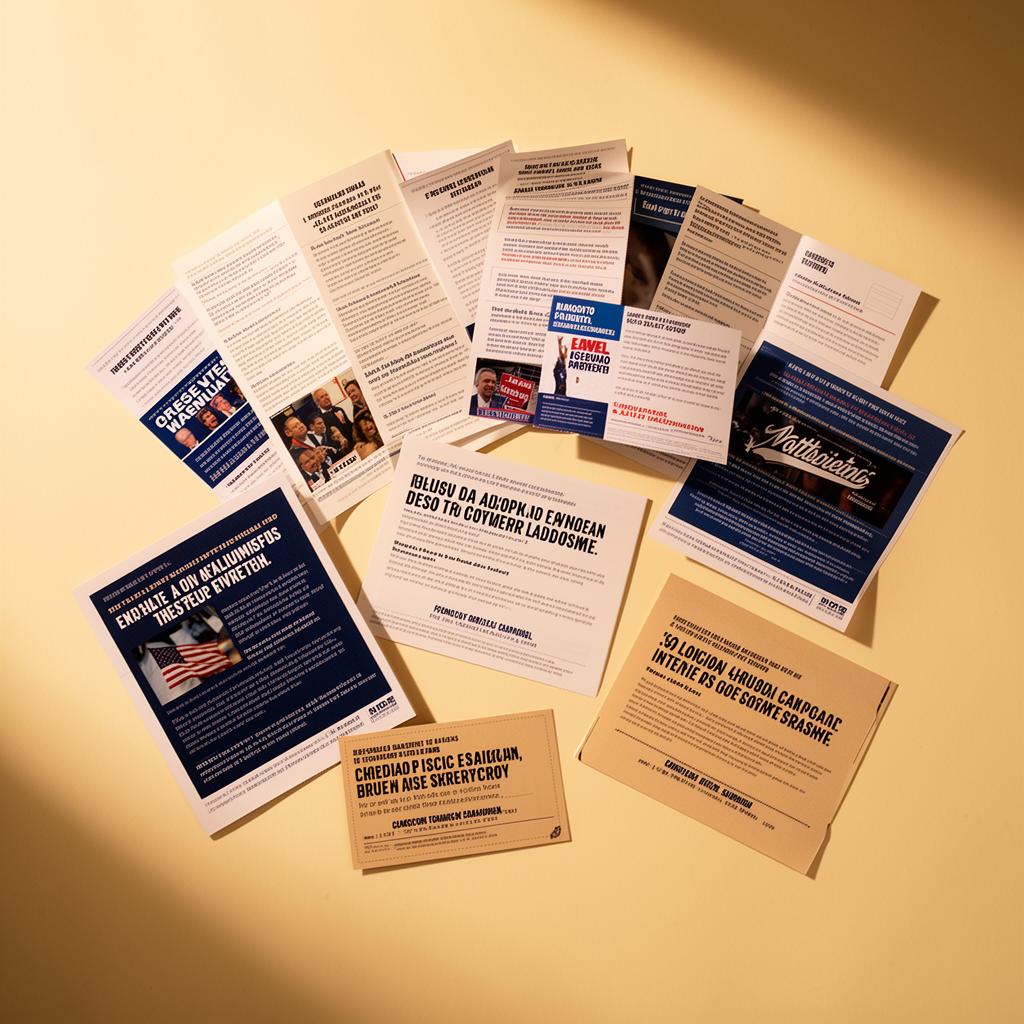
Fall appeal letters that drop in mid-October are the single largest revenue event of the year for most SoCal nonprofits. The timeline that hits that drop date starts in July — and the trade-offs along the way determine whether the appeal raises last year's revenue, beats it, or falls short.
July: copy strategy, segmentation plan, ask string ladder, and personalization variables locked. The most common late-July decision is whether to add a major-donor variant (different copy, different ask ladder, different signer); it has to be decided before the data team builds the file in August.
August: list pull, NCOA, suppression file build, and seed list. This is also when print specs get finalized — paper weight on the inner letter, BRE format, outer envelope teaser copy, and whether the package includes a lift note from a board member.
September: art finalization, proof rounds, and press scheduling. The art rounds always run longer than people expect, because the major donor variant requires its own approval cycle. Press scheduling matters: October press time fills up in late September, especially for political-mail-adjacent shops.
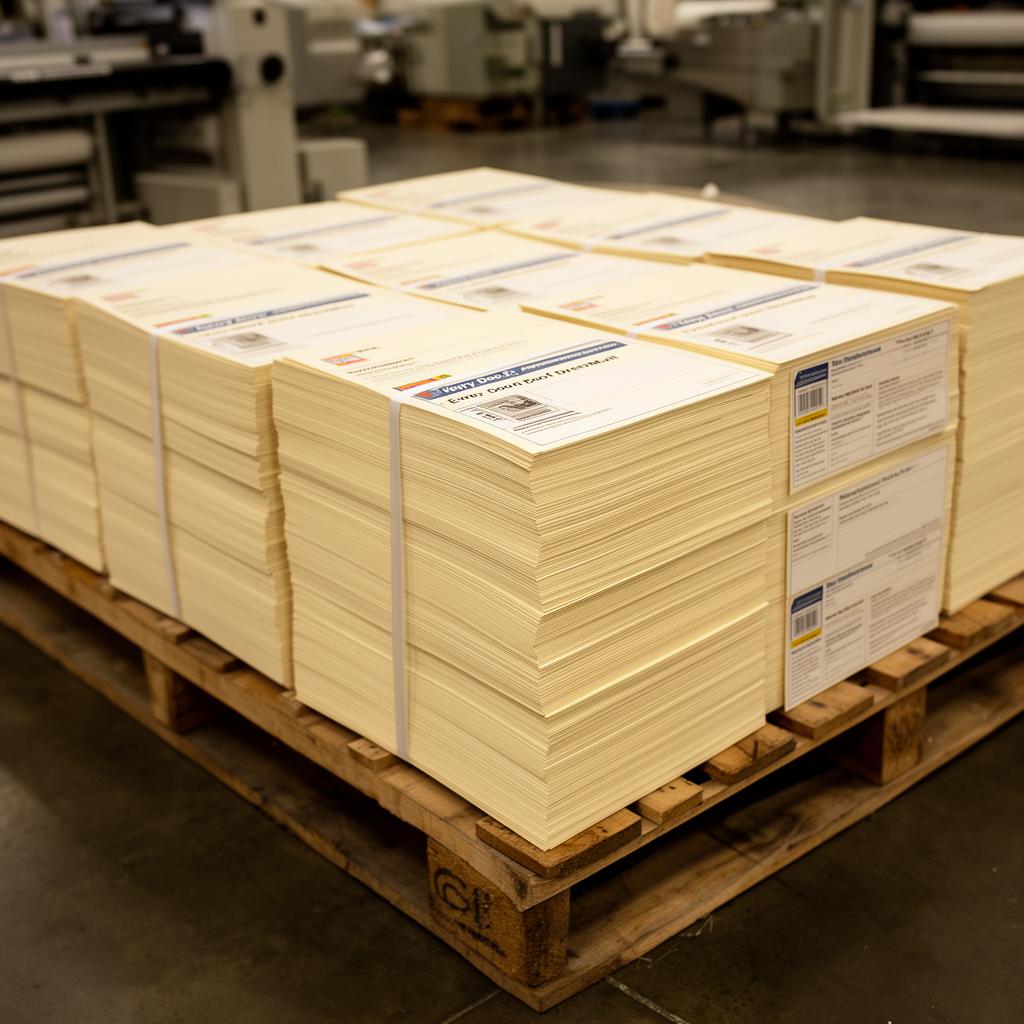
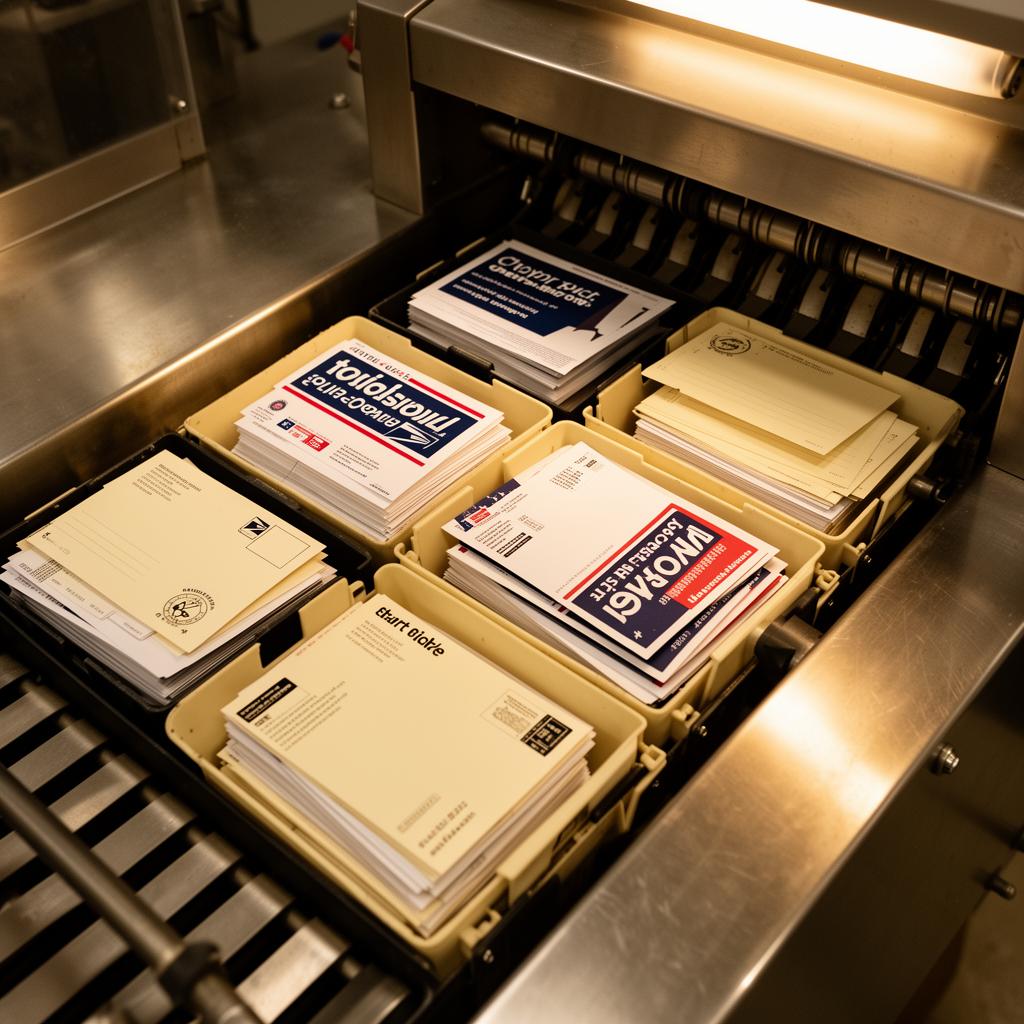
Early October: print, personalization, inserting, and presort. From approved files to inducted mail is 7-10 business days for most appeal sizes. Hand-inserting (board signature, lift note, photo insert) adds 2-3 days but typically lifts response.
Mid-October to mid-November: in-home, gifts arrive, acknowledgment mail goes out within 72 hours of each gift. The acknowledgment turnaround matters more than people realize — gifts acknowledged within 72 hours produce noticeably higher second-gift rates than gifts acknowledged after a week.
The biggest avoidable mistake: deciding in September that this year's appeal will be 'a little bigger' and trying to compress 12 weeks of work into 6. Almost every appeal that misses revenue is a timeline failure, not a creative one.