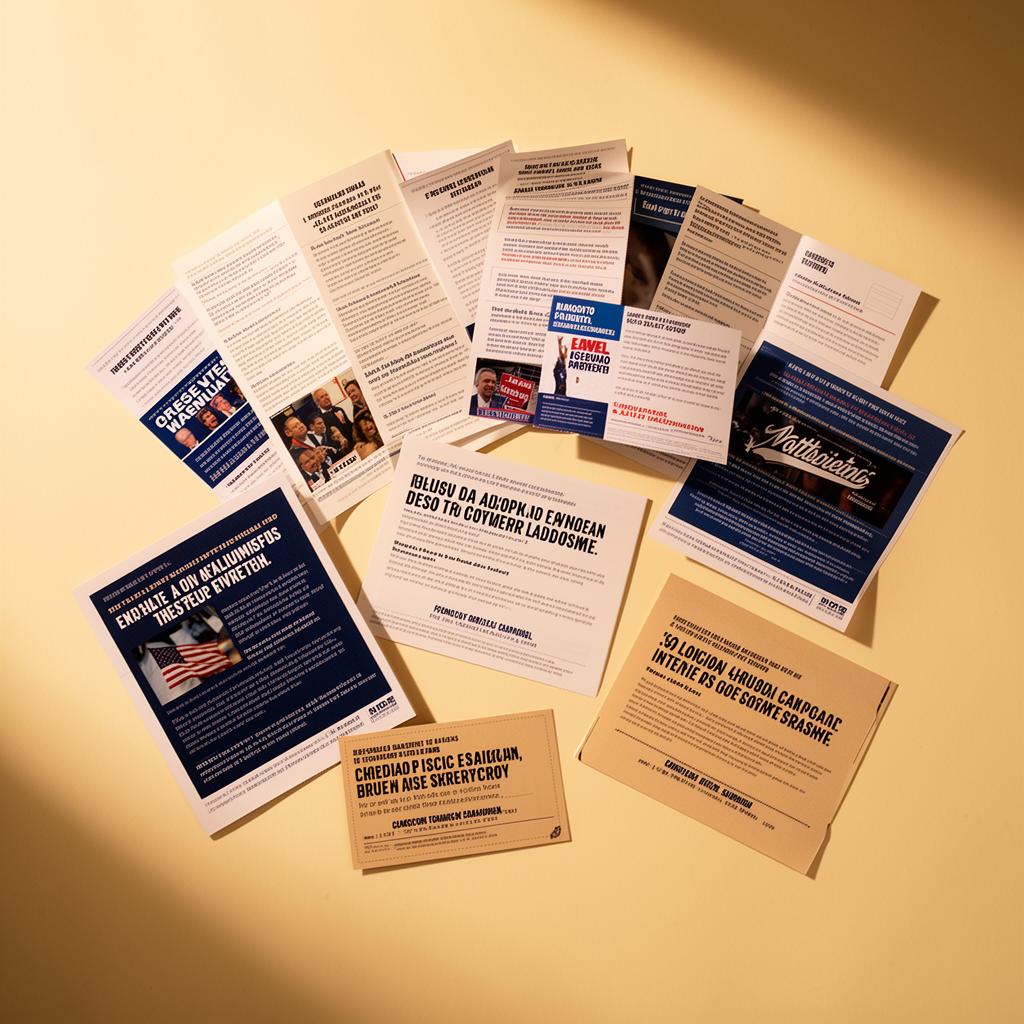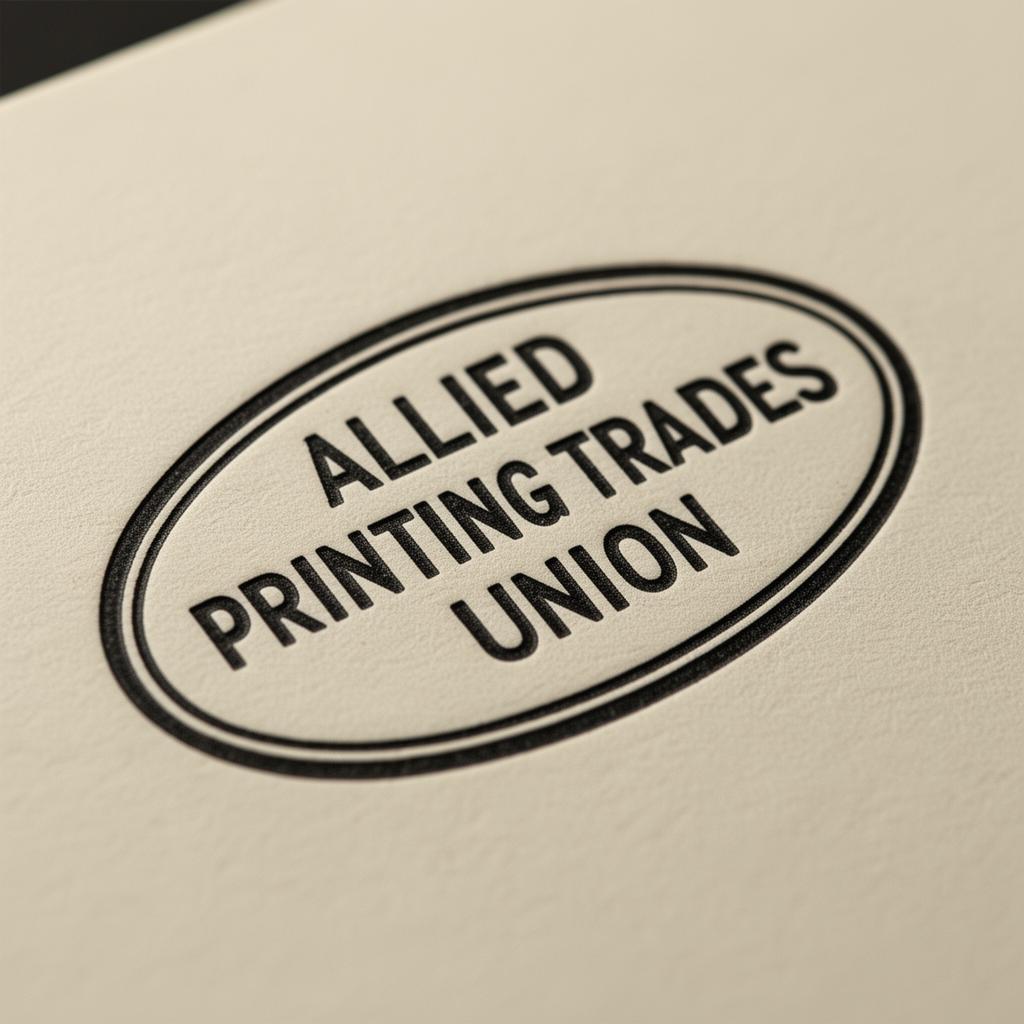
If you have ever picked up a campaign mailer or a union flyer and noticed a small oval mark near the bottom corner, you have seen a union bug. It is a tiny piece of typography that says the piece you are holding was produced in a print shop staffed by members of the Allied Printing Trades Council — the international labor body that has covered commercial printing since 1889.
In Southern California, that mark still matters. Labor councils, candidate caucuses, and many nonprofit boards require the bug on the mail their members and donors receive. Some endorsement packets are explicit: no bug, no endorsement. Others assume it. Either way, a missing bug on the wrong piece is the kind of thing that comes up in a Monday morning email and never quite goes away.
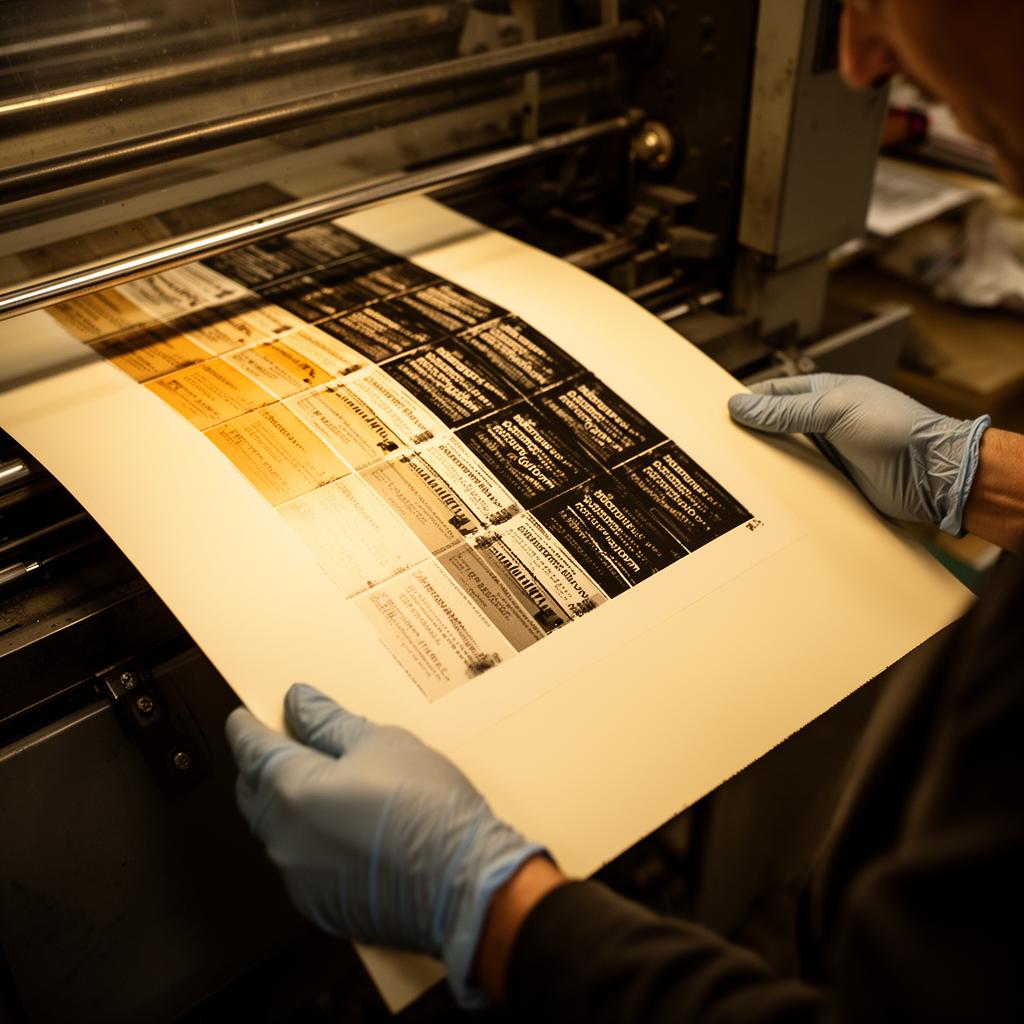
Practically, this means the shop printing your job needs to be an Allied Printing Trades affiliate, and the bug needs to be on the press sheet — not slapped on as a sticker or added in a PDF after the fact. The council number (often shown inside the bug) identifies the affiliate.
If you are running a candidate mailer, an IE piece, a ballot measure mailer in a labor-friendly district, a member ratification ballot, a building trades publication, or any kind of public-sector communication where the union or political audience is the point, the bug should be on it. If you are running a real estate postcard, a restaurant menu, or a consumer brochure, you generally do not need one — though some clients add the bug anyway to signal solidarity.
The harder cases are mailers that cross audiences: a school bond measure aimed at parents (no bug needed) that also goes to teachers union members (bug expected). A nonprofit appeal that goes to general donors but also to a labor council mailing list. In those cases the answer is almost always: include the bug. It costs nothing, it never hurts, and it removes a category of complaint from your week.