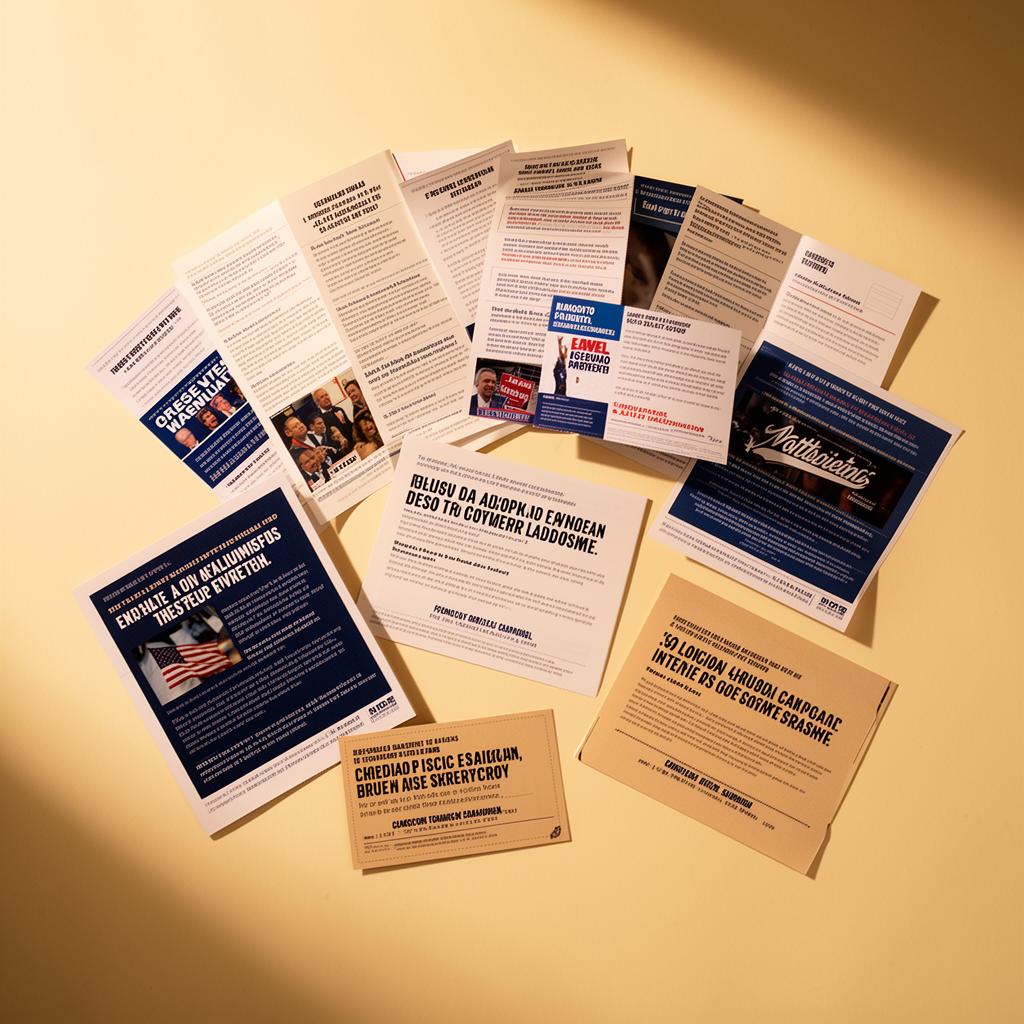
California mailer disclaimer rules read like they were written by people who really wanted to be sure. They were. Cal. Gov. Code § 84305, the FPPC's regulations, and a stack of case-law clarifications combine to govern what has to be on the front and back of campaign mail. Most of the rules are easy if you build them into the template at the start. They are expensive to add later.
The basic requirements have not changed: candidate-controlled committee mail needs a paid-for-by line with the committee name as it appears in registration; IE committee mail needs a top-two contributor box (the two largest cumulative donors of $50,000 or more in the prior 12 months); ballot measure committees need their full name in the paid-for line.
What has changed is the formatting tolerance. The disclaimer must appear in at least 10-point sans-serif type on standard mail (smaller cards have a 12-point requirement for the paid-for line itself); it must contrast with the background; and on IE mail the top-two box has minimum dimensions and a required header. A mailer that buries the disclosure in a 7-point watermark is asking for an FPPC inquiry.
Slate mail has its own ruleset entirely — a separate box clearly identifying that the recipient's name was provided by a slate organization, the names of paid endorsements and recommended votes, and a statement that the slate is not the official position of the candidates or parties listed. If you are producing slate mail and the boxes are not laid out before art finalizes, you will hit a problem at the press.
The fastest way to stay clean: every California mail piece runs through a compliance review before plates make. We do that review in-house on every political job, against the current FPPC and Government Code requirements. It adds about an hour to the schedule. It removes about a week of cleanup.